Common Excavator Hydraulic Cylinder Problems (And How to Fix Them)
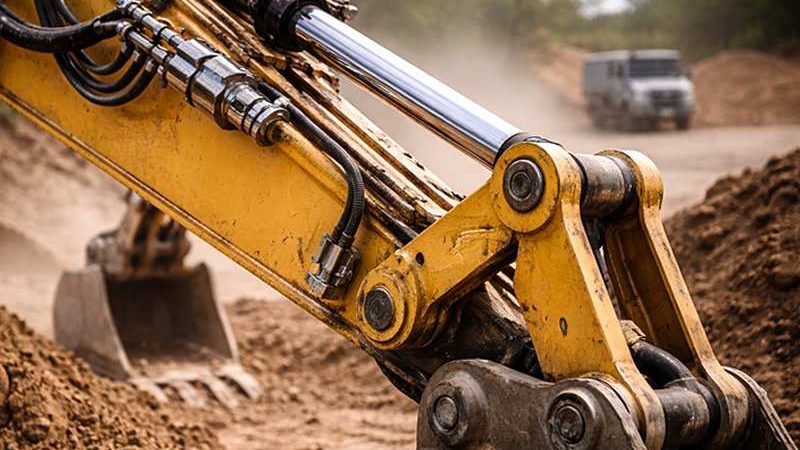
Excavators rely heavily on hydraulic systems to perform demanding tasks such as lifting, digging, and material handling. At the centre of this system are hydraulic cylinders that convert hydraulic pressure into mechanical force. When these cylinders begin to malfunction, productivity and safety can quickly be affected.
Many operators experience excavator hydraulic problems due to harsh job site conditions and continuous machine usage. Identifying early warning signs and performing timely excavator hydraulic cylinder repair can prevent major breakdowns and costly downtime. For businesses operating locally, services such as hydraulic cylinder repair Toowoomba, excavator cylinder repair Toowoomba, and hydraulic ram repair Toowoomba play a vital role in maintaining equipment reliability.
Why Excavator Hydraulic Cylinders Fail
Excavators often operate in extremely demanding environments. These machines regularly handle heavy loads while working for long hours in challenging conditions.
Heavy loads place continuous stress on hydraulic cylinders and their internal components. Over time, this pressure can accelerate wear on seals, rods, and internal surfaces. Dust is another major concern on construction and mining sites. Fine particles can enter the hydraulic system and cause internal abrasion.
Contamination from dirt, debris, or degraded hydraulic oil can also damage cylinder components and reduce performance. In addition, excavators frequently operate for extended periods without long breaks, which increases mechanical stress on the system. These harsh conditions often contribute to the need for hydraulic cylinder troubleshooting and professional servicing.
Problem 1: Hydraulic Cylinder Leaks
One of the most common excavator hydraulic problems is a leaking cylinder. An excavator cylinder leaking hydraulic oil is often the first visible sign that the system requires attention.
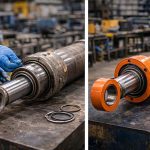
Leaks are commonly caused by worn seals that can no longer maintain proper pressure within the cylinder. A damaged or scratched piston rod may also compromise the sealing surface, allowing fluid to escape. In some cases, contaminated hydraulic oil may accelerate seal deterioration and internal wear.
Addressing leaks early through proper excavator hydraulic cylinder repair can restore pressure levels and prevent further damage to internal components.
Problem 2: Slow or Jerky Movement
Hydraulic cylinders should move smoothly and consistently during operation. When an excavator arm or bucket begins to move slowly or jerk during extension and retraction, it often signals underlying hydraulic issues.
Fluid contamination is a common cause, as dirt or debris in the hydraulic oil can restrict proper fluid flow. Pressure issues within the hydraulic system may also reduce the cylinder’s ability to generate sufficient force. Internal scoring, which refers to scratches or damage inside the cylinder barrel, can create uneven movement and vibration.
Proper hydraulic cylinder troubleshooting helps identify the source of these problems and determine whether repair or component replacement is necessary.
Problem 3: Cylinder Overheating
Hydraulic cylinders can also experience overheating during operation. Excessive pressure within the hydraulic system may generate higher temperatures and place additional stress on internal components.
Friction between worn or poorly lubricated parts can also increase heat levels inside the cylinder. In some cases, broader hydraulic system problems such as restricted fluid flow or malfunctioning valves may contribute to overheating.
If overheating continues without intervention, internal damage may worsen and lead to more serious mechanical failure.
Problem 4: Cylinder Drift
Cylinder drift occurs when the excavator arm slowly lowers or moves without control input from the operator. This condition usually indicates internal leakage within the hydraulic cylinder.
Worn piston seals may allow hydraulic fluid to bypass the piston, reducing the cylinder’s ability to hold pressure. As a result, the cylinder gradually loses its ability to maintain position while under load.
Prompt excavator hydraulic cylinder repair can resolve this issue and restore safe and stable machine operation.
Preventing Excavator Hydraulic Cylinder Failure
Preventive maintenance is essential for reducing the risk of unexpected breakdowns. Regular inspections allow operators to identify leaks, rod damage, or performance issues before they escalate.
Proper lubrication helps reduce friction between moving parts and supports smooth cylinder operation. Contamination control is also critical, as keeping hydraulic fluid clean prevents internal wear and damage.
Scheduled maintenance performed by qualified technicians ensures that hydraulic systems remain in optimal condition and reduces the likelihood of major failures.
When to Seek Professional Excavator Cylinder Repair
Some hydraulic issues require specialised expertise and equipment to diagnose and repair effectively. If your excavator shows signs of leaks, reduced performance, overheating, or drifting cylinders, it is important to seek professional assistance.
Experienced technicians can perform detailed inspections, carry out accurate hydraulic cylinder troubleshooting, and complete the necessary excavator hydraulic cylinder repair to restore reliable operation.
For businesses operating in regional areas, professional services such as hydraulic cylinder repair Toowoomba, excavator cylinder repair Toowoomba, and hydraulic ram repair Toowoomba help ensure that heavy equipment remains productive and ready for demanding job site conditions.